The Australian financial year runs from 1 July to 30 June of the following year. The current financial year is 2026–27, which started on 1 July 2026 and ends on 30 June 2027.
For most Australian businesses, the financial year is used to track income, expenses, tax obligations and financial performance. EOFY (End of Financial…

Artificial intelligence is becoming a practical part of accounting, moving beyond basic automation into areas such as transaction processing, data analysis, reporting and workflow support.
For accounting firms, the opportunity is not simply to complete existing tasks faster. AI can reduce repetitive work, help teams identify patterns and anomalies, and create more capacity for higher-value…
How much does a bookkeeper cost in Australia? Compare hourly, monthly and outsourced bookkeeping costs, what affects pricing, and when outsourcing makes sense.
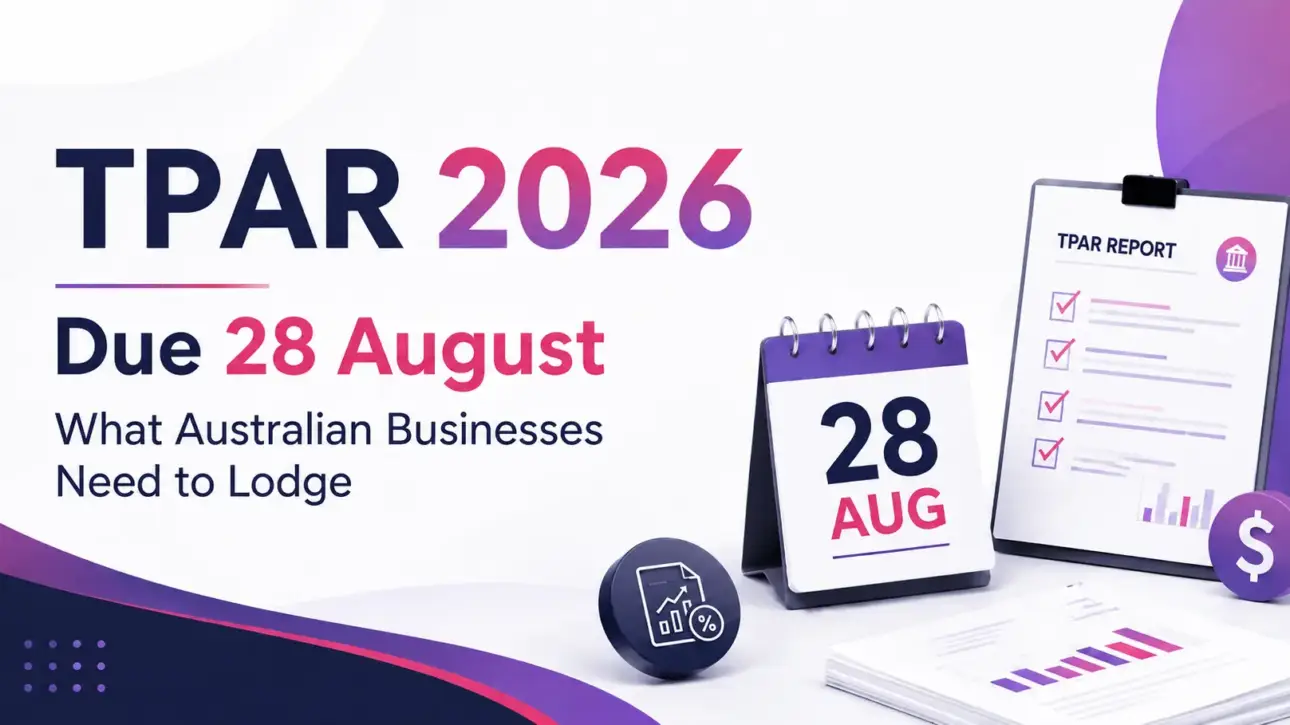
If your business paid contractors or subcontractors to provide certain services during the 2025–26 financial year, you may need to lodge a Taxable Payments Annual Report.
The TPAR due date for 2026 is 28 August. The report covers relevant contractor payments made between 1 July 2025 and 30 June 2026.
This guide explains who needs…
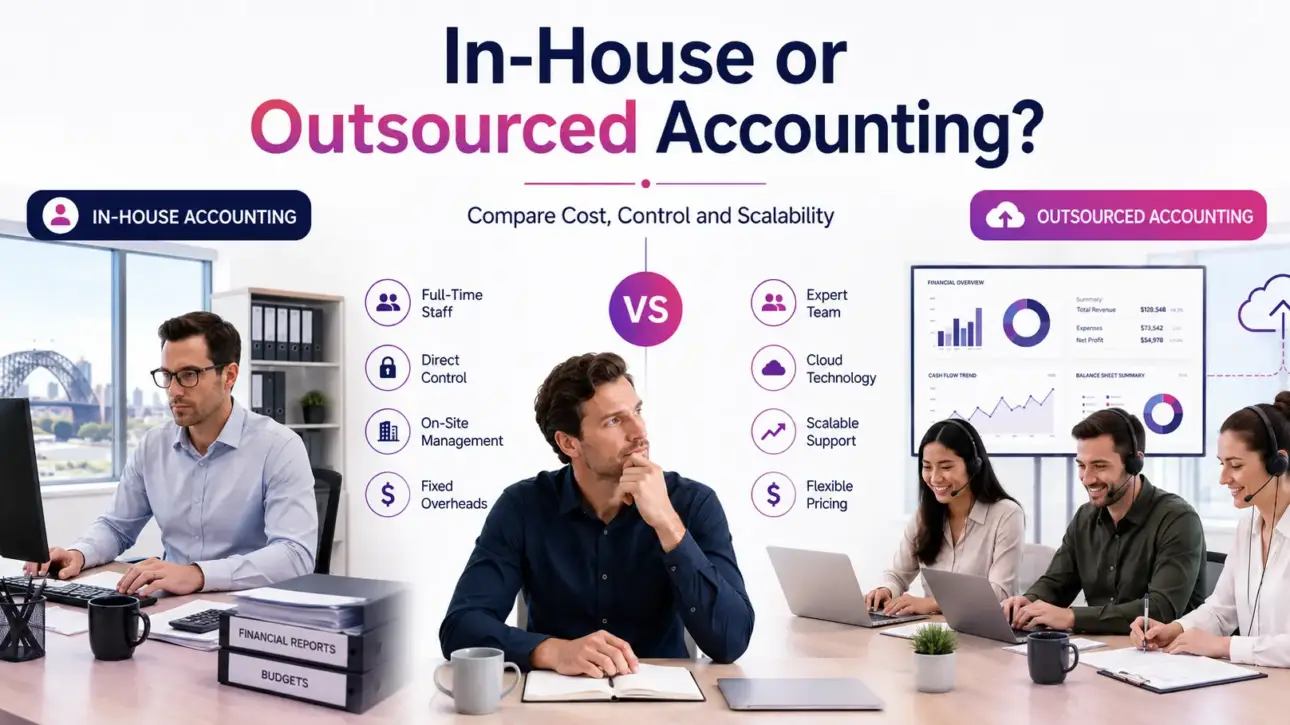
Whether you’re looking to expand your business in Australia or are looking for hassle-free, cost-effective, and scalable outsource accounting services, you’re at the right spot.
For scalable growth and to get new opportunities, businesses shall be ready for market complexities. This is where one shall make a concrete financial decision: whether to hire an in-house…
SMSF compliance is one of the most specialised areas of accounting. Between financial reporting, tax obligations, audits and ongoing regulatory requirements, managing a growing SMSF portfolio can quickly place pressure on internal teams.
Many Australian accounting firms are responding by outsourcing SMSF work to specialist providers. The right outsourcing partner helps practices increase capacity, maintain…